
How to Lead Through Crisis Without Burning Out

Ednelyne Arki Mitra
Guest Contributor & Resilience Researcher

Leadership has always demanded resilience, but when crisis strikes, the pressure intensifies. Whether it’s navigating economic downturns, sudden market shifts, or organizational disruptions, leaders are often expected to provide clarity and direction while managing their own stress. The challenge? Too many leaders push themselves to the breaking point, risking burnout at the very moment their teams need them most.
The good news: it’s possible to lead effectively through a crisis without sacrificing your well-being. By strengthening resilience, cultivating emotional agility, and building support systems, leaders can sustain both performance and health during the toughest times.

Why Leaders Burn Out in Crisis
Crisis situations magnify existing stressors in the workplace. Leaders face:
- Uncertainty overload – Constantly shifting priorities and lack of clear outcomes.
- Emotional strain – Carrying the concerns of employees while suppressing their own.
- Decision fatigue – Making critical, high-stakes decisions under pressure.
- Isolation – A perceived need to “hold it together” and not show vulnerability.
Burnout doesn’t happen overnight. It builds gradually as stress outweighs recovery, creating a cycle that undermines focus, judgment, and health.
Resilient Leadership in Crisis
Resilient leaders don’t deny the challenges of crisis, they reframe them. Here’s how:
1. Practice Strategic Recovery
Just as athletes need recovery after peak performance, leaders require intentional rest. This could mean short mental resets throughout the day, prioritizing sleep, or carving out time for reflection. Research from the Harvard Business Review shows that leaders who invest in recovery maintain higher performance under prolonged stress.
2. Model Calm and Clarity
Teams take their emotional cues from leaders. By regulating stress responses and communicating with transparency, leaders create psychological safety and stabilize team performance.
3. Build Emotional Agility
Crises trigger strong emotions: fear, frustration, even anger. Leaders who practice emotional agility acknowledge emotions without being controlled by them. This skill not only protects mental health but also sharpens decision-making.
4. Lean on Trusted Networks
Resilient leaders don’t go it alone. Having a peer network, mentor, or advisory group provides perspective and prevents isolation.
5. Reframe the Narrative
Instead of asking “Why is this happening to us?” resilient leaders ask, “What can we learn and how do we adapt?” Reframing shifts focus from obstacles to opportunities for growth and innovation.
The Balance Between Strength and Vulnerability
One of the biggest misconceptions is that resilience means being unshakable. In reality, resilience is about adaptability and that includes vulnerability. When leaders admit uncertainty or ask for input, they strengthen trust.
Long-Term Strategies for Burnout Prevention
- Cultivate micro-habits like gratitude journaling or short daily check-ins.
- Prioritize boundaries to prevent work from consuming personal life.
- Develop resilience training across the organization so responsibility doesn’t rest solely on leaders.
- Foster a culture of continuous learning where setbacks are reframed as opportunities.
At Bounce Resilience, we help leaders and organizations build the tools to lead effectively without burning out. Connect with us today to explore resilience training for your team.
Are You Resilient Enough?
Get access to this 10-step checklist and use it to assess your mental readiness for 2025 and set a powerful foundation for mental toughness, peak performance, and sustainable growth.
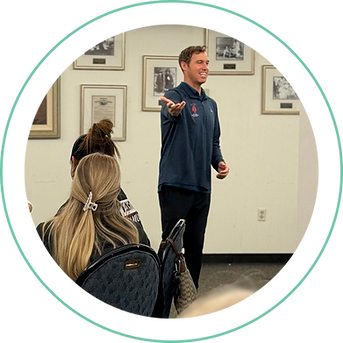
Andrew Pierce
Andy is a Resilience Expert and big wave surfer with over 10 years of full-time experience training elite performers, including U.S. Army Special Operations Forces and seasoned business leaders. His mental performance strategies are grounded in performance psychology and field-tested in both combat zones and corporate boardrooms.


