
How Physical Health Contributes To Mental Resilience

Andrew Pierce
Resilience Expert & Founder of Bounce Resilience

High-pressure environments demand more than raw determination—they require repeatable mental skills, clear decision frameworks, and structured recovery. In this article, Andrew Pierce breaks down the key principles of How Physical Health Contributes To Mental Resilience.
Understanding the Dynamic Under Pressure
Whether leading a fire department crew, an executive board, or a tactical team, pressure narrows cognitive focus. When stress escalates without active regulation, teams lose tactical awareness and strategic clarity.
By applying evidence-based resilience tools—drawn from performance psychology and Special Operations field experience—leaders can maintain composure and keep their teams operating at peak effectiveness.
1. Controlled Arousal
Regulate physiological stress through deliberate breathing and mental reset triggers before key decisions.
2. Reframing Setbacks
Shift from defensive reactions to objective problem-solving focused on actionable next steps.
Practical Application for Teams
Real resilience is built before the crisis occurs. Implementing routine debriefs, clear communication protocols, and structured recovery periods ensures that high-stakes teams remain durable and focused over long-term operations.
Learn More with Bounce Resilience
Bounce Resilience delivers tailored training, keynotes, and workshops for leaders and teams operating in high-stakes environments.
Are You Resilient Enough?
Get access to this 10-step checklist and use it to assess your mental readiness for 2025 and set a powerful foundation for mental toughness, peak performance, and sustainable growth.
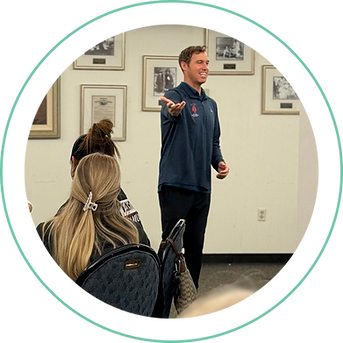
Andrew Pierce
Andy is a Resilience Expert and big wave surfer with over 10 years of full-time experience training elite performers, including U.S. Army Special Operations Forces and seasoned business leaders. His mental performance strategies are grounded in performance psychology and field-tested in both combat zones and corporate boardrooms.


