
The 2-Minute Morning Routine That Builds Resilience

Andrew Pierce
Resilience Expert & Founder of Bounce Resilience

Resilience isn’t just built in big moments. It is forged in the small, consistent actions we take every day. While many believe resilience is about pushing through adversity, the real foundation is how you prime your mind and body before the day even begins.
A powerful way to do this is through a 2-minute morning routine. This simple, intentional practice can sharpen your focus, reduce stress, and strengthen your capacity to handle daily challenges.
Whether you're leading a team, working in a high-stress environment, or simply navigating the demands of modern life, this quick practice can set the tone for resilience all day long.

Why Morning Routines Matter for Resilience
Morning is when your brain is most malleable, a concept supported by research in neuroplasticity. What you do in those first few minutes after waking sends powerful signals to your nervous system about how to respond to stress throughout the day.
- Lower stress and cortisol spikes
- Improve focus and mental clarity
- Boost emotional regulation
- Create a sense of agency and control
The 2-Minute Resilience Routine: Step by Step
This routine combines three evidence-based techniques: gratitude, intention-setting, and mindful breathing. Each step takes less than a minute, yet together they prime your brain for strength, clarity, and adaptability.
1. Step One: Gratitude (40 seconds)
Start by identifying one thing you’re grateful for, big or small. Gratitude activates the prefrontal cortex, shifting your focus away from stress and toward opportunity.
2. Step Two: Set Your Intention (40 seconds)
Next, choose one clear intention for how you want to show up today: “Today, I will respond with calm under pressure.” Intention-setting creates a mental anchor that helps you navigate distractions.
3. Step Three: Mindful Breathing (40 seconds)
Finish with slow, controlled breathing: inhale for 4 seconds, hold for 4 seconds, exhale for 6 seconds. Intentional breathing activates the parasympathetic nervous system, lowering cortisol levels and calming the body.
Final Thought: Big Resilience Starts with Small Moments
You don’t need hours of meditation or a complicated routine to become more resilient. Just two intentional minutes each morning can set a powerful tone for your day and, over time, transform how you respond to stress, uncertainty, and pressure.
Are You Resilient Enough?
Get access to this 10-step checklist and use it to assess your mental readiness for 2025 and set a powerful foundation for mental toughness, peak performance, and sustainable growth.
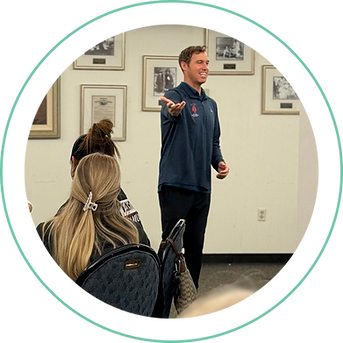
Andrew Pierce
Andy is a Resilience Expert and big wave surfer with over 10 years of full-time experience training elite performers, including U.S. Army Special Operations Forces and seasoned business leaders. His mental performance strategies are grounded in performance psychology and field-tested in both combat zones and corporate boardrooms.


